
What is the Havelock Mine in Bulembu, Eswatini?
The Havelock Mine is a historic asbestos mine located in the mountain town of Bulembu, Eswatini. (Home of Eswatec) For decades, it was one of the largest chrysotile asbestos mines in the world and played a major role in both the local community and Eswatini’s economy. At its peak, the mine supported thousands of jobs and helped build the town around it.
When the mine closed in the early 2000s due to declining demand and growing health concerns surrounding asbestos, Bulembu faced major economic challenges. Today, however, the town has taken on a very different identity. What was once a mining town is now known for community development, tourism, sustainability projects, and its unique mountain setting. Understanding the history of Havelock Mine helps explain both the rise of Bulembu and the remarkable effort to rebuild it afterward.
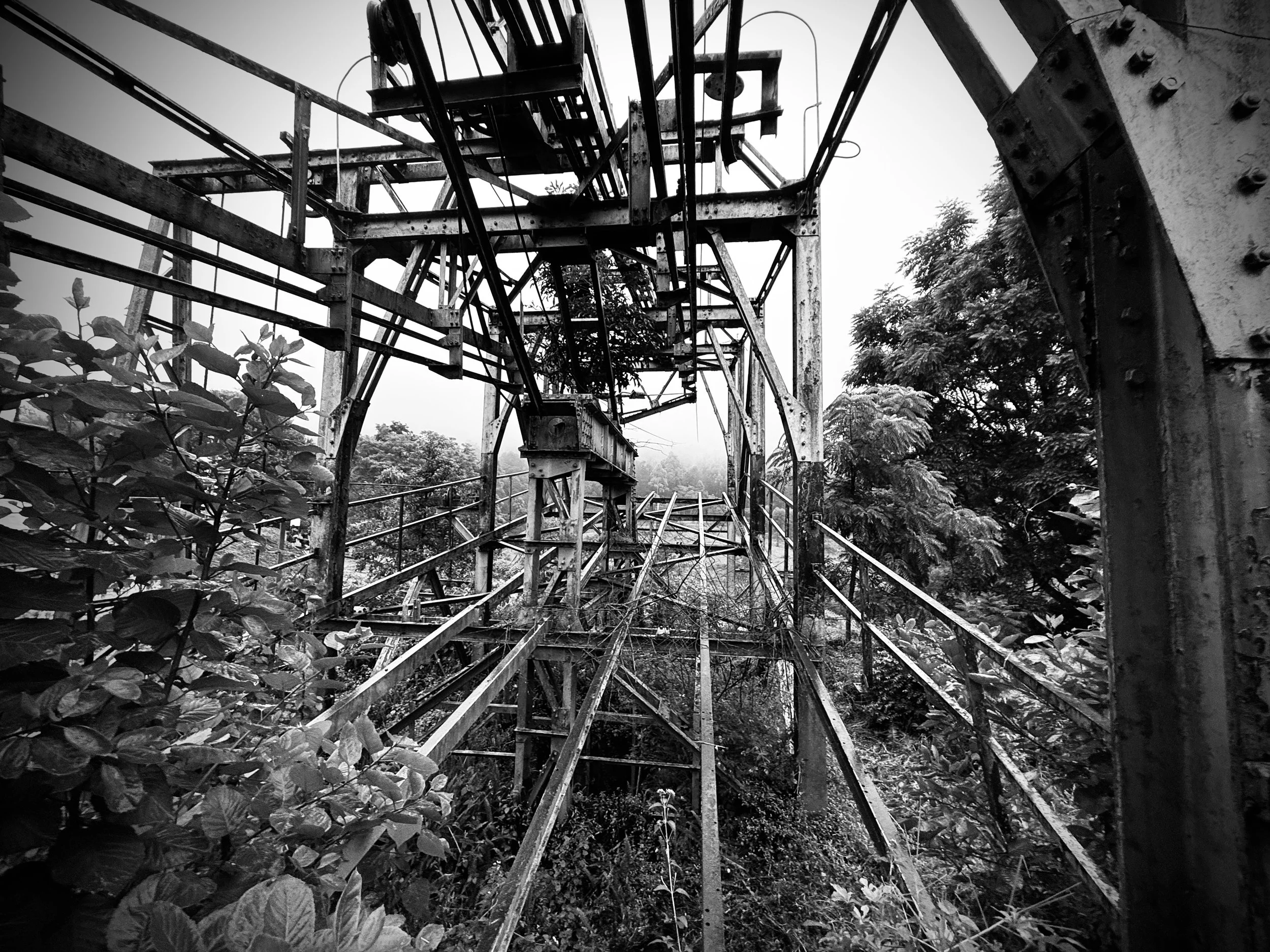
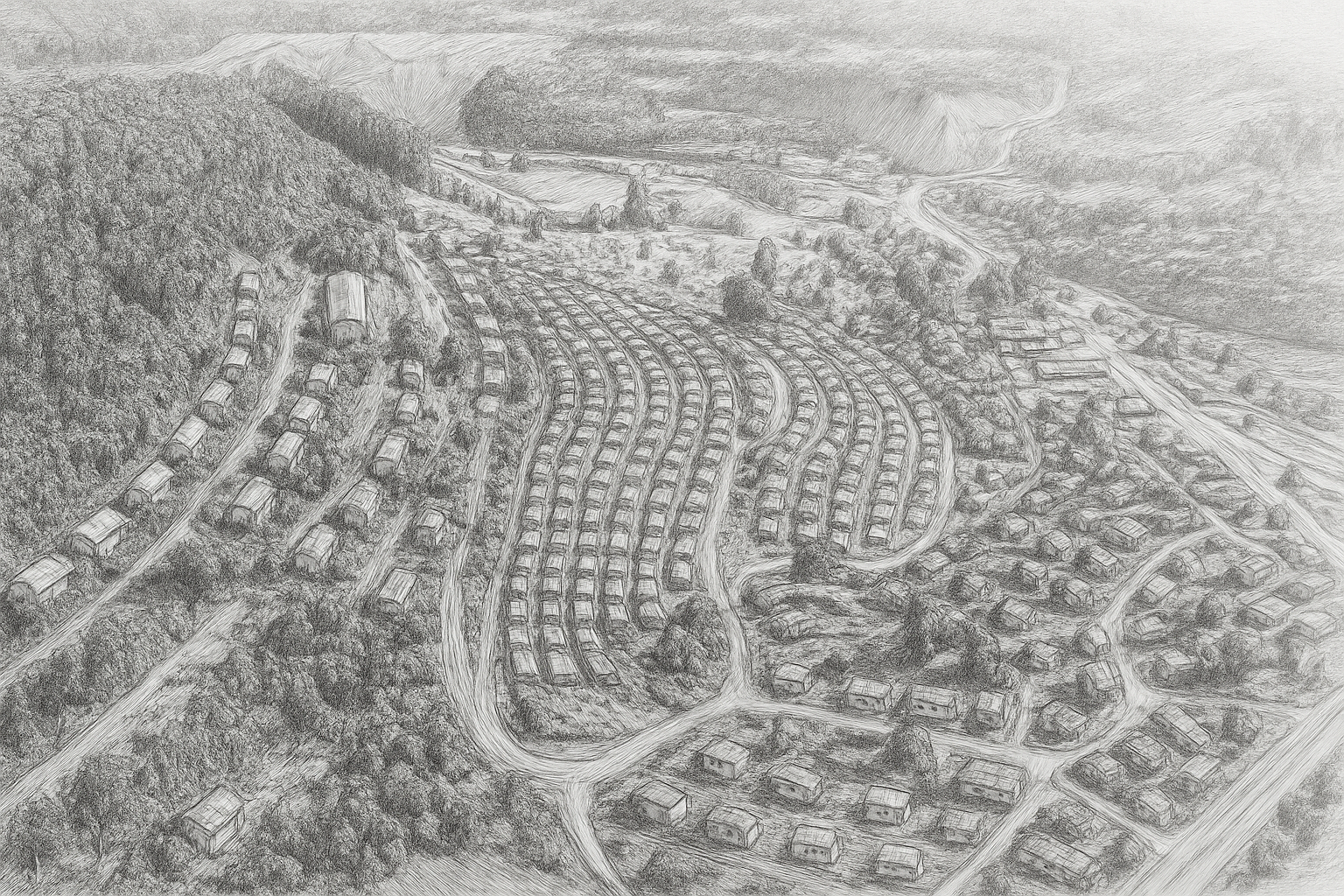
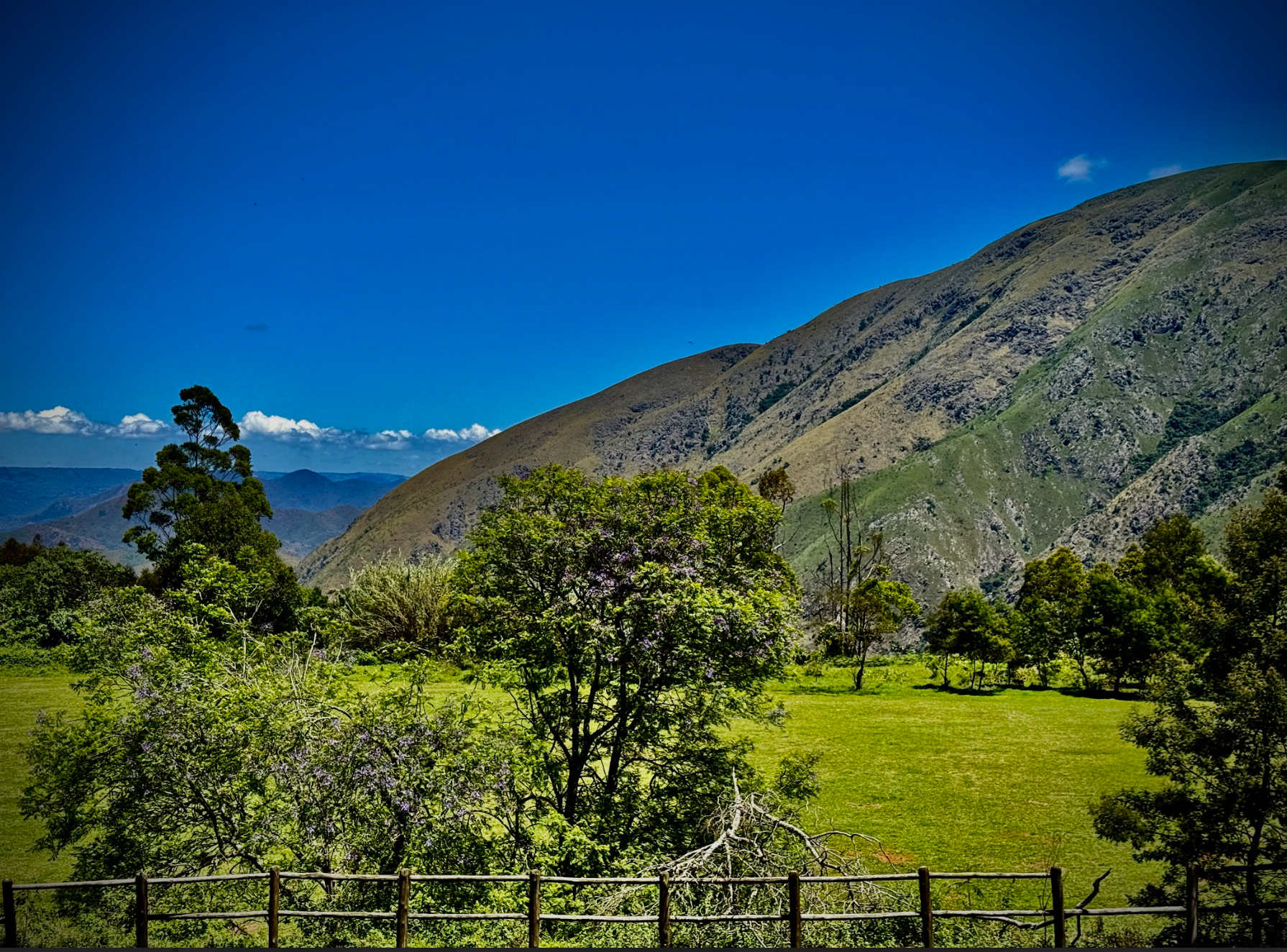
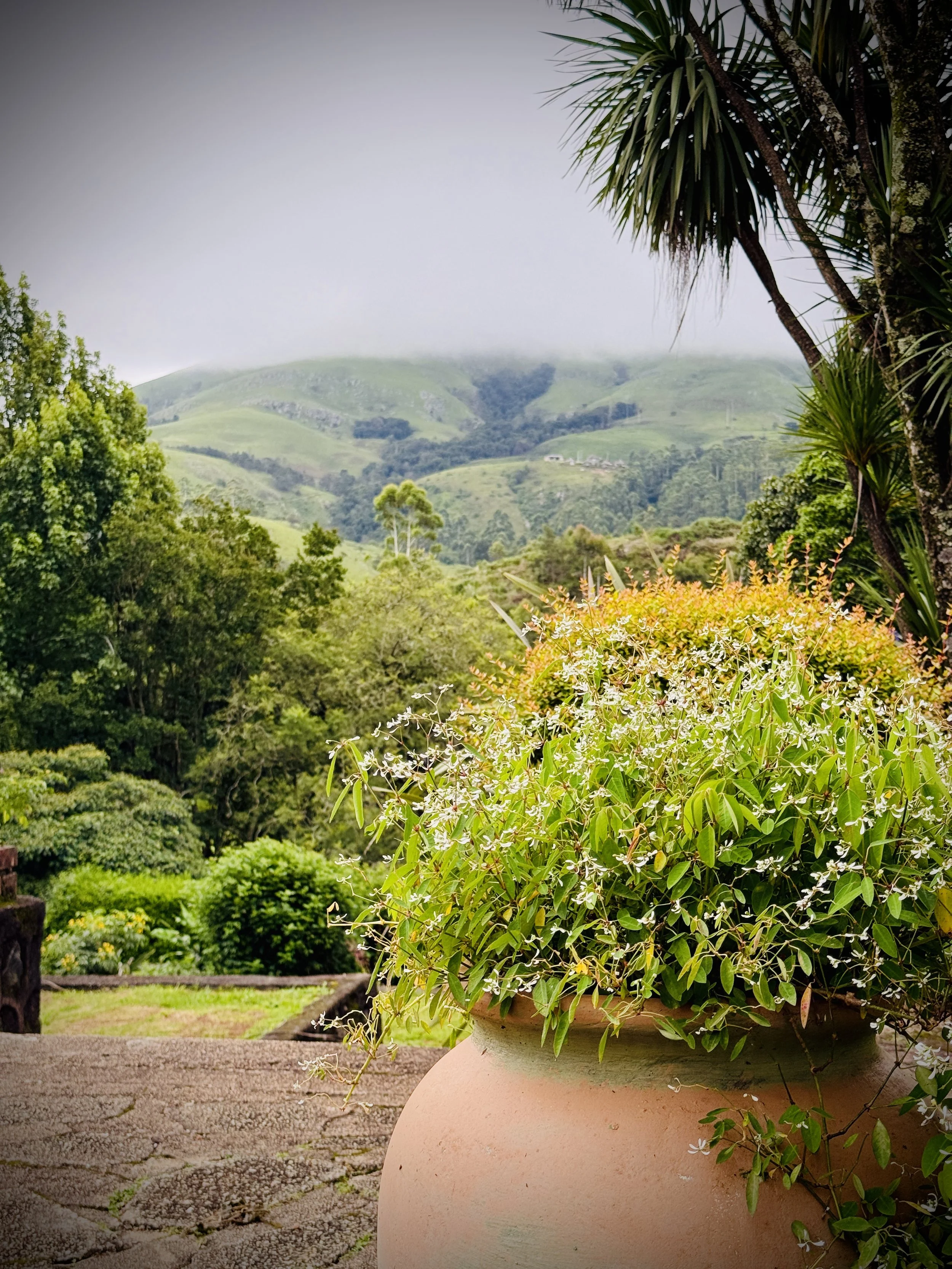
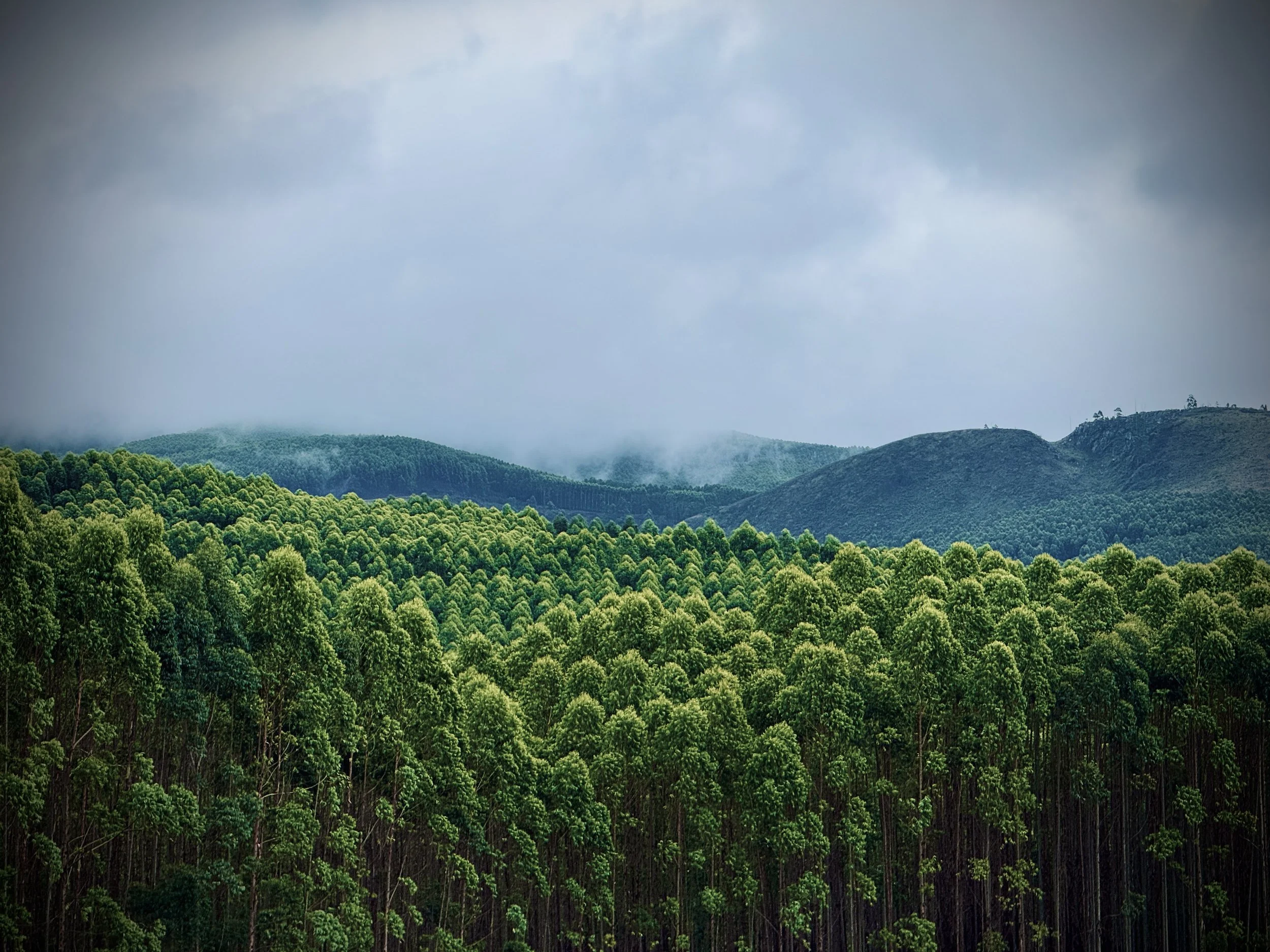
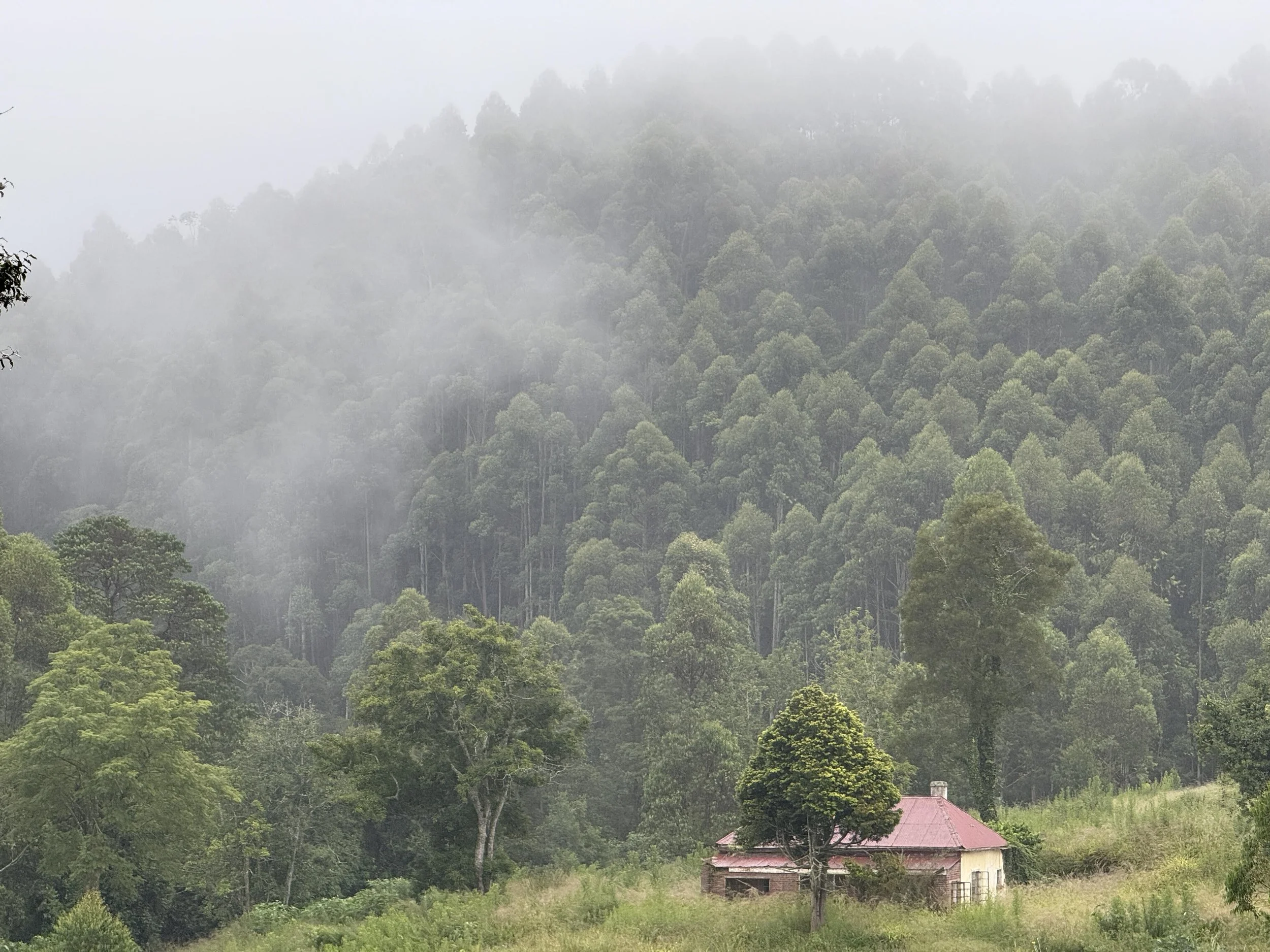
Overview of the Havelock Mine
The Havelock Mine was established in the 1930s during the British colonial period and became one of Eswatini’s most important industrial operations.
The mine specialized in chrysotile asbestos, which at the time was widely used around the world in:
roofing materials
insulation
cement products
fireproofing applications
At its height, the mine:
employed thousands of workers
supported nearly all economic activity in Bulembu
contributed heavily to national exports
For many years, Bulembu existed almost entirely because of the mine.
Why Did the Mine Close?
Like many asbestos operations around the world, Havelock Mine was eventually affected by changing global attitudes and regulations surrounding asbestos use.
Several major factors contributed to its closure:
Health Concerns
Over time, researchers linked asbestos exposure to serious lung diseases and cancers. As awareness grew, many countries introduced strict regulations or banned asbestos products altogether.
Falling Demand
As international markets shifted away from asbestos, demand dropped significantly.
Economic Pressure
Operating costs increased while export opportunities declined, making long-term operation difficult.
The mine officially closed in 2001, which had a major impact on the local community.
What Happened to Bulembu After the Closure?
When the mine shut down, Bulembu nearly became a ghost town. Many families left in search of work, businesses closed, and much of the town’s infrastructure was left behind.
Over time, however, community organizations and local leaders began working to rebuild the town with a different long-term vision.
Some of the changes included:
repurposing former mining infrastructure
developing tourism initiatives
expanding timber and honey production
creating educational and community programs
Today, Bulembu is known less for mining and more for its unique story of rebuilding and transformation. We hope that soon, when people think of Bulembu, they think of Eswatec as well!
Why the History of Havelock Mine Still Matters
The story of Havelock Mine is about more than mining.
It highlights:
how entire communities can depend on a single industry
how global economic changes affect local families
the importance of diversification and long-term sustainability
It also explains why Bulembu feels so unique today. The town’s history is still visible in its architecture, layout, and culture, but it is now paired with a strong focus on community and future growth.
For many visitors, understanding the mine’s history adds important context to experiencing Bulembu itself.
FAQ
Is the Havelock Mine still operating?
No. The mine closed in 2001 due to declining demand for asbestos and increasing health concerns surrounding asbestos exposure.
Why was asbestos considered dangerous?
Asbestos fibers can become airborne when disturbed and may contribute to serious lung diseases after long-term exposure.
Can you visit Bulembu today?
Yes. Bulembu welcomes visitors and is known for its mountain scenery, community projects, and historical significance.
Is the Havelock Mine dangerous today?
For most visitors, the former Havelock Mine site is not considered dangerous in the way people often imagine when they hear the word “asbestos.” The mine has been inactive for decades, and visitors are not walking through active mining operations or exposed industrial areas.
Like asbestos anywhere in the world, the primary concern comes from prolonged exposure to airborne dust created by disturbing asbestos-containing material. The former mine is not an active excavation site, and normal tourism activities in Bulembu do not involve handling or disturbing mining material.
Today, Bulembu is focused on community life, tourism, and development projects rather than mining. Most visitors experience the town through guided activities, historical context, mountain scenery, and local culture.
Learn More bulembu.org
“Learn more at Bulembu.org”